100% Certified & Lab-Tested Products – Shop with Confidence.
Buying a gemstone is not just about appearance—it’s about understanding the science behind it. Every gemstone has unique physical and optical properties that determine its beauty, durability, and value.
Gemology, the science of gemstones, helps identify and evaluate these stones based on their structure, composition, and optical behavior.
Whether you are buying gemstones for astrology, jewelry, or investment, understanding these properties will help you make smarter and safer decisions.
If you are planning to buy certified gemstones online, you can explore trusted options like
👉 https://mauhurtikagems.com/
for lab-certified and natural stones.
Gemstone properties are the physical and optical characteristics that define a gemstone’s identity, quality, and value. These include:
These properties are used by gemologists to identify gemstones and determine their quality.
Color is the first thing anyone notices in a gemstone. It plays the biggest role in determining its value.
Color is divided into three parts:
For example:
If you are looking for premium gemstones:
Clarity refers to how clean a gemstone is from internal inclusions or external flaws.
Inclusions are natural and formed during the creation of the gemstone.
Some gemstones like emeralds naturally have inclusions, while diamonds are judged very strictly on clarity.
The cut of a gemstone determines how well it reflects light.
A well-cut gemstone:
Cut affects how light enters and exits the stone, directly impacting brilliance.
Poor cutting leads to:
Brilliance refers to the brightness of a gemstone caused by light reflection and refraction.
When light enters a gemstone:
This creates sparkle and shine, known as brilliance.
Higher brilliance = More attractive gemstone
Refractive Index (RI) measures how much light bends when it enters a gemstone.
Each gemstone has a unique refractive index, making it an important identification factor.
For example:
Specific gravity measures how heavy a gemstone is compared to water.
This helps gemologists identify gemstones and estimate their authenticity.
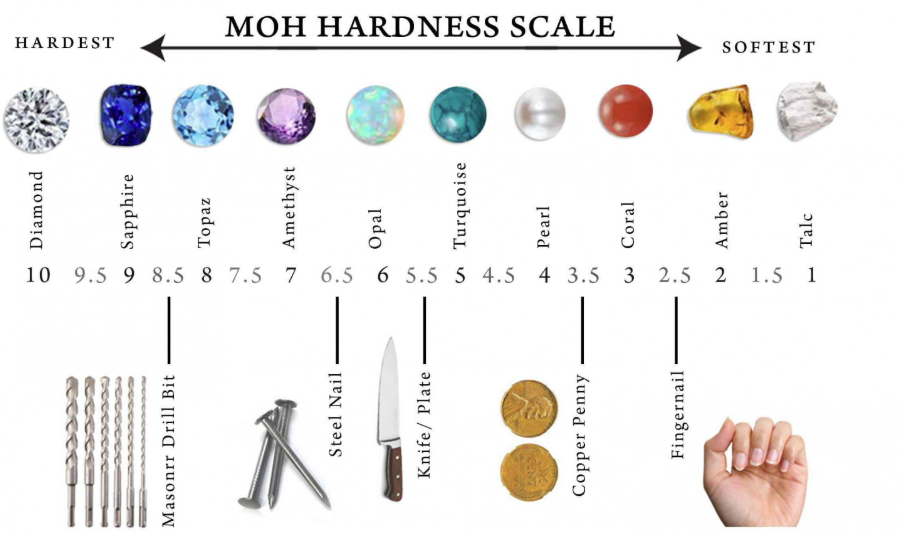
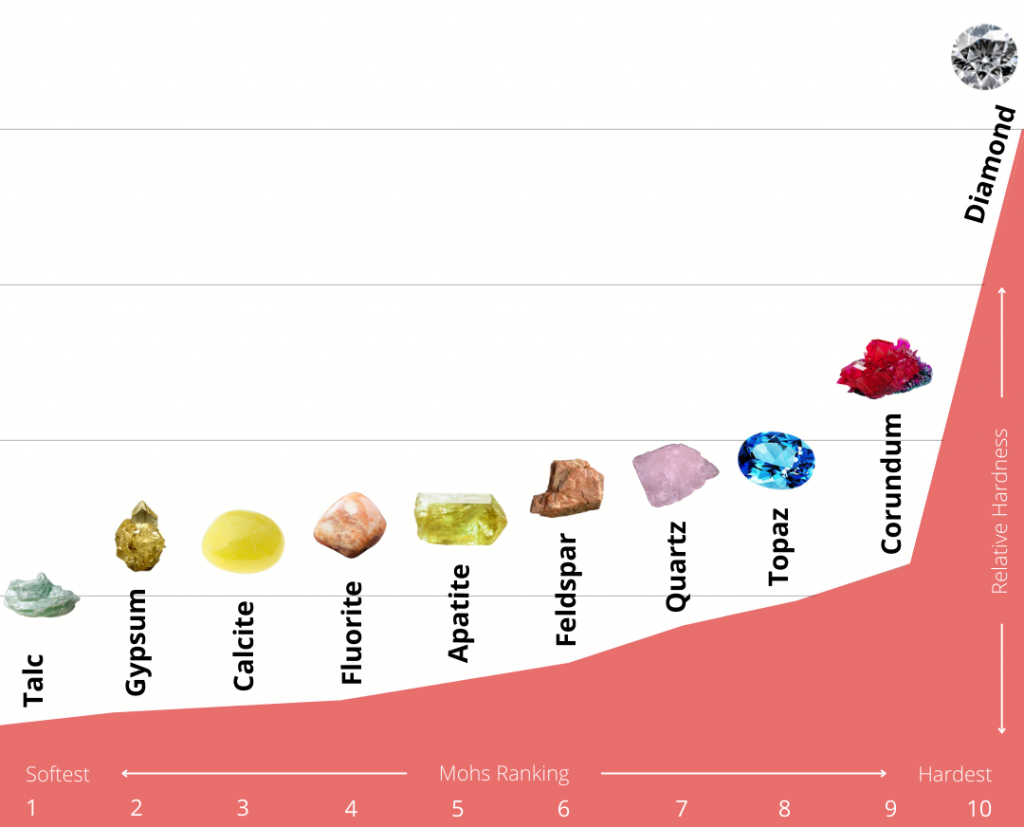
Hardness refers to a gemstone’s resistance to scratching.
It is measured on the Mohs Scale (1 to 10):
Hardness only measures scratch resistance—not toughness.
For daily wear jewelry:
Luster refers to how light reflects from the surface of a gemstone.
Types of luster:
A gemstone with high luster looks more attractive and valuable.
Dispersion is the ability of a gemstone to split white light into rainbow colors.
This effect is often called “fire” in gemstones.
Some gemstones show special visual effects:
These rare properties increase gemstone value significantly.
Each gemstone has a unique chemical composition and crystal structure.
For example:
This determines:
Understanding gemstone types is crucial:
For astrology, always choose natural and untreated gemstones.
Understanding gemstone properties helps you:
When buying gemstones, always check:
Certification ensures:
At
👉 https://mauhurtikagems.com/
you can find:
Gemstone properties are not just technical terms—they are the foundation of smart buying.
From color and clarity to hardness and refractive index, every factor plays a role in determining a gemstone’s beauty and value.
If you understand these concepts, you can confidently invest in high-quality gemstones without the risk of fraud.
👉 Explore certified gemstones here:
https://mauhurtikagems.com/