100% Certified & Lab-Tested Products – Shop with Confidence.
Buying gemstones online in India feels risky, with fakes and treated stones flooding sites and leaving Indore buyers out of thousands of rupees. You're right to question if that "natural" emerald or sapphire is certified and legit. This guide delivers a step-by-step verification process using top labs like GIA and IIGL, backed by reports showing 70% of low-priced online gems are synthetic or enhanced.
Buying a gemstone online feels like a leap of faith. You see a beautiful picture of a Blue Sapphire or Emerald, but how do you know it isn't just a piece of colored glass? This is the biggest worry for buyers in India, especially when purchasing stones for astrological remedies where purity is critical. If the stone isn't natural, it won't provide the results you are looking for.
The good news is that the online gemstone market has matured. Legitimate sellers now prioritize transparency because they know trust is their most valuable asset. You don't have to be a gemologist to make a safe purchase. You just need to know what questions to ask and what documents to look for. This guide walks you through the exact checks you need to perform to ensure you get exactly what you pay for.
A natural gemstone is a mineral crystal that formed within the earth without human interference. These stones are mined, cut, and polished, but their chemical composition remains exactly as nature made it. For astrological purposes, this "earth-born" origin is non-negotiable.
When you look at a lab report, the most critical section is the identification. It should clearly state "Natural" before the gem name, such as "Natural Corundum" for sapphires or rubies. If it doesn't say natural, walk away.
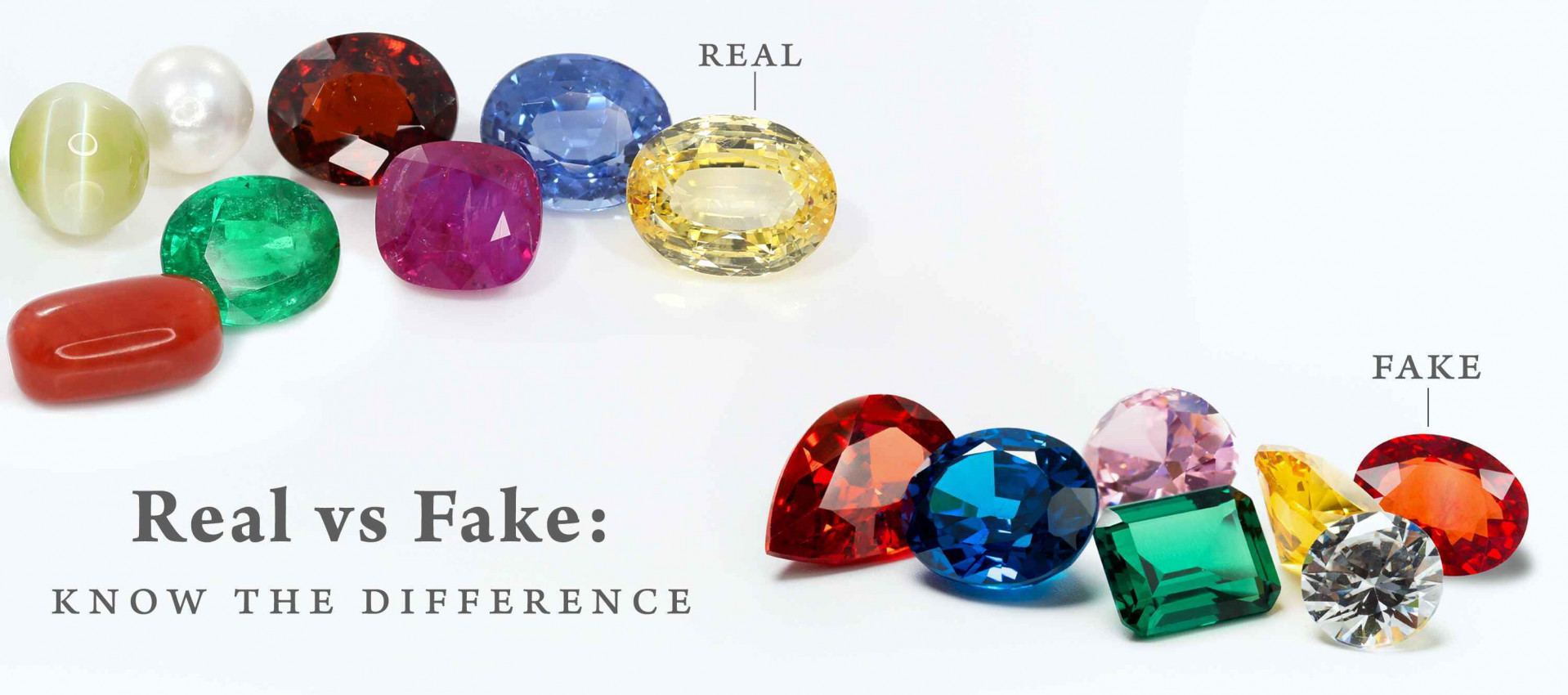
Understanding the terminology sellers use is vital. A natural stone is mined. A synthetic stone has the same chemical makeup but is grown in a lab. A simulant is just glass or plastic that looks like a gem.
Here are the key factors labs test to tell them apart:
In a physical store, you can hold the stone. Online, you rely entirely on the seller's word. This is why certification is your safety net. A certificate from a neutral third-party laboratory acts as a blueprint of the gemstone's identity. It confirms the stone is not glass, plastic, or a lab-grown synthetic.
For Indian buyers purchasing high-value items like Yellow Sapphires or Rubies, a certificate protects your investment. It prevents sellers from passing off a ₹500 synthetic stone as a ₹50,000 natural gem. Without this document, you are essentially gambling with your money.
Not all certificates are created equal. A card printed by the seller themselves means nothing. You need a report from an independent laboratory that has no financial interest in the sale. In India, several institutions are recognized for their strict standards and reliable testing equipment.
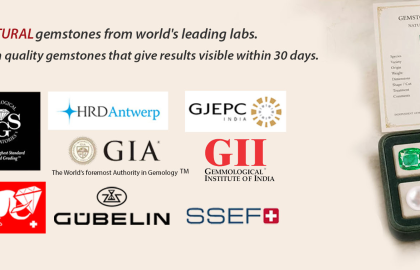
When browsing online, look for reports from these trusted names:
Different labs have different strengths. GIA is widely considered the gold standard globally. Established in 1931, it is famous for creating the grading systems used today. If a stone has a GIA report, you can trust it completely.
IGI is another heavyweight, especially for diamonds and finished jewelry. Founded in Belgium in 1975, it is one of the largest labs in the world. For colored stones in India, labs like GRS (Swiss-based) are also highly respected for detailed origin reports.
While you can't use a microscope through a screen, high-resolution photos can reveal a lot. Natural gemstones are rarely perfect. In fact, perfection is often a sign of a fake.
Look for inclusions. These are small internal marks, feathers, or crystals inside the stone. They are nature's fingerprints. A stone that looks like a clean piece of colored glass is suspicious unless it costs a fortune.
Watch out for bubbles. Round gas bubbles are a classic sign of glass or synthetic manufacturing. Natural inclusions tend to look like angular crystals, needles, or silk. Also, check the color distribution. Natural stones often have "zoning," where the color isn't perfectly even throughout the gem.
Don't hit the "buy" button until you have done your homework. A systematic approach removes the emotion from the purchase and helps you spot red flags. Treat this like buying a car or a house—verify everything first.
The first thing you should ask for is a digital copy of the lab report. Do not accept a blurry photo. You need to be able to read the report number and the details clearly.
Once you have the report, go to the laboratory's official website. Most major labs have a "Verify a Report" function. Enter the report number and weight. The data on the screen must match the physical report exactly.
A certificate is only as good as the seller who hands it to you. Check the seller's background. Do they have a physical address, perhaps in a gem hub like Jaipur or Indore? Do they offer a clear return policy?
Legitimate sellers want you to be happy. They will offer a return window (usually 7-10 days) so you can get the stone checked by your own local lab if you wish. If a seller says "no returns" on a gemstone, that is a major warning sign. Look for verified reviews on third-party platforms, not just testimonials on their own site.
Even if a stone is natural, its value depends on quality. You need to understand the 4Cs: Color, Cut, Clarity, and Carat.
Color is usually the most important factor for value. Clarity matters, but remember that natural stones have inclusions. Cut affects how the stone sparkles. Carat is simply the weight. A certificate will list all these details objectively.
To ensure you don't get scammed, stick to established best practices. Always prioritize transparency over a "too good to be true" price. If a deal seems impossibly cheap, there is a reason.
Here is what smart buyers do:
One of the biggest errors buyers make is assuming a hallmark on metal proves the stone is real. BIS Hallmarking only certifies the purity of the gold or silver; it tells you absolutely nothing about the gemstone set in it. You could have a piece of red glass set in 22k gold, and the hallmark would still be valid.
Another mistake is relying on "seller certificates." A card printed by the shop owner is not a lab report. It is a receipt. Always demand third-party verification.
Buying gemstones online gives you access to a massive inventory that local jewelers can't match. By following these steps—verifying certificates, checking the 4Cs, and vetting the seller—you can buy with total confidence.
For those looking for a trusted source, platforms like Mauhurtika Gems specialize in 100% lab-tested, natural gemstones. They provide the transparency and certification required for peace of mind.
Here is a quick look at what you might expect regarding certification logistics if you decide to test a stone yourself:
| Geographical Location | Nearest Testing Location | Certification Costs | Time Taken by Lab |
|---|---|---|---|
| India | Bangkok (World’s Colored Gemstone Capital) | Approx $200-$400 per Gemstone | Approx 8-12 weeks |
Note: While GIA India focuses on diamonds, many other reputable Indian labs (like IGI or GII) test colored stones locally much faster and at lower costs.
In Indore, visit the Gemmological Institute of India (GII) branch or local affiliates like Mahavir Gem Testing Laboratory (MGTL) for coloured stone certification. Costs range from ₹1,000-₹5,000 per stone, with results in 2-5 days.
GIA coloured gemstone reports cost ₹15,000-₹40,000 depending on carat weight and complexity. Indian labs like IIGJ offer similar services for ₹2,000-₹10,000, providing faster turnaround of 3-7 days.
Yes, reputable Indian sellers offer 7-15 day returns. Take the stone to a local lab like GII in Indore within this period for independent verification; if mismatched, get a full refund under Consumer Protection Act 2019.
Synthetic gemstones show perfect uniformity, round bubbles, or flawless clarity in videos. Natural ones display angular inclusions, colour zoning, or silk-like patterns; use 10x loupe zoom in seller videos for confirmation.
Visit iigj.in/verify-report, enter the certificate number, carat weight, and issue date. Matching details confirm authenticity; IIGJ issues over 50,000 reports yearly from their Mumbai and Jaipur labs.