How to Start a Profitable Gemstone Business in 2026: The Ultimate Step-by-Step Guide
Published/Updated: 2026 | Reading Time: 10 Minutes
The gemstone industry is undergoing a massive transformation. We are moving away from the era of opaque, uncertified jewelry markets and entering a digital-first landscape where transparency, lab certifications, and targeted SEO dictate who wins and who loses. Whether you are selling precious diamonds, semi-precious stones, or highly sought-after astrological ratnas (like Pukhraj and Neelam), the barrier to entry has lowered, but the barrier to success has never been higher.
If you want to build a brand that commands authority and generates consistent organic revenue, you need a blueprint. Drawing from decades of digital marketing strategies and e-commerce growth tactics, here is the ultimate, no-nonsense, 1500-word guide on how to start, scale, and dominate the gemstone business today.
Phase 1: Niche Selection and Market Positioning
The biggest mistake new jewelers make is trying to be the "Amazon of Gemstones." In 2026, the riches are in the niches. You cannot outspend giant marketplaces on generic terms like "buy gems," but you can absolutely crush them in specialized verticals.
1. Define Your Core Market
You need to decide exactly what kind of gemstones you are selling. Broadly, the market splits into three categories:
- Astrological Gemstones (Vedic Ratnas): This is a high-intent, high-margin niche. Buyers in this category are not looking for fashion; they are looking for problem-solving solutions. They require 100% natural, unheated, and untreated stones.
- Engagement and Bridal (Precious Stones): Focuses heavily on Sapphires, Rubies, and Emeralds for modern brides who want alternatives to diamonds.
- Wholesale/B2B: Supplying loose stones directly to local jewelry makers and retail shops.
2. The Power of Local Dominance
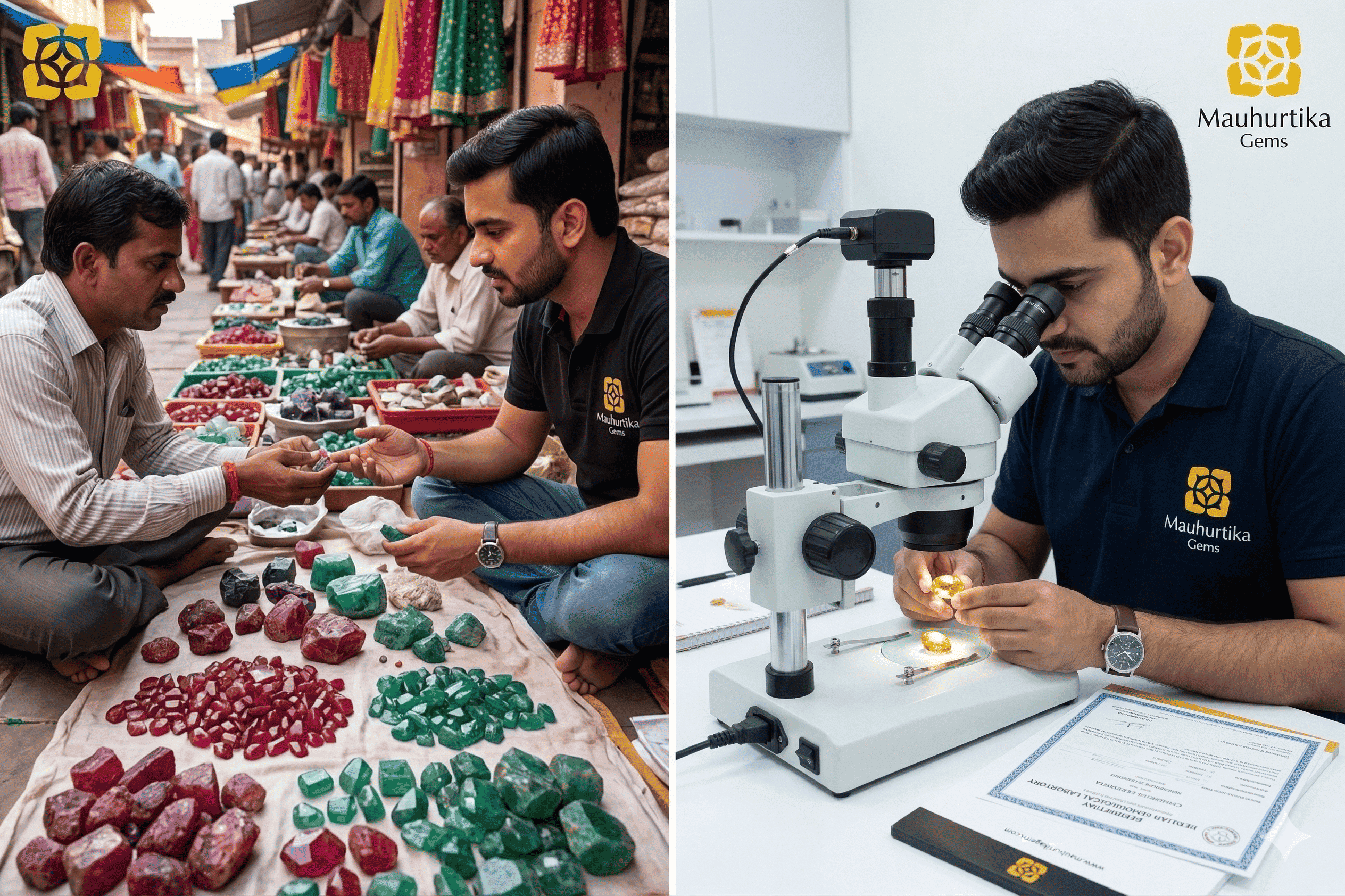
Before trying to conquer the national market, build a fortress in your home city. Localized trust is the strongest currency in the gemstone business. For example, if you establish your brand as the absolute number one source for certified gemstones in Indore—just like Mauhurtika Gems has done—you create a baseline of foot traffic, local word-of-mouth, and localized SEO authority. Once you own your city, scaling across India becomes exponentially easier.
Phase 2: Sourcing, Authentication, and Inventory
You are only as good as your supply chain. In the gemstone world, reputation takes years to build and one fake stone to destroy.
1. Finding Reliable Suppliers
Avoid middlemen whenever possible. To get competitive pricing, you need to establish direct lines with cutting centers and mining hubs.
- In India: Jaipur is the undisputed capital for colored gemstones (Emeralds, Rubies, Amethysts). Surat is the hub for diamonds.
- Global Hubs: If you are scaling, look toward sourcing Sapphire directly from Sri Lanka (Ceylon) or Rubies from Mozambique and Myanmar.
2. The Certification Standard
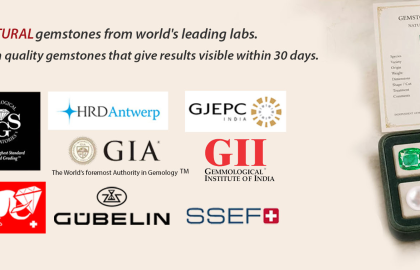
Never sell a stone above a certain price point without an independent, third-party lab certificate. Your customers are more educated than ever. They will demand proof. Partner with recognized gemological laboratories such as:
- GIA (Gemological Institute of America)
- IGI (International Gemological Institute)
- GJEPC (Gem & Jewellery Export Promotion Council)
Include these certificates in your product photography. It is the ultimate conversion-rate booster.
3. Inventory Models
If you are bootstrapping, you don't need millions in capital to hold dead stock.
- Just-In-Time (JIT) Sourcing: Build strong relationships with local wholesalers in your city. List their high-quality, certified inventory on your website. When an order comes in, purchase the stone and ship it.
- Owned Inventory: As your cash flow improves, start holding your own inventory of fast-moving items, like 4 to 6-carat Yellow Sapphires or standard-sized Blue Sapphires.
Phase 3: Legalities and Infrastructure
Don't skip the boring stuff. A solid legal foundation protects your assets and allows you to onboard premium payment gateways.
- Business Registration: Register your business as a Private Limited Company (Pvt Ltd) or a Limited Liability Partnership (LLP).
- Tax and Licensing: Mandatory GST Registration (gemstones usually fall under the 3% bracket). If you plan to source internationally, an Import/Export Code (IEC) is legally required.
Phase 4: Building a High-Converting E-Commerce Platform
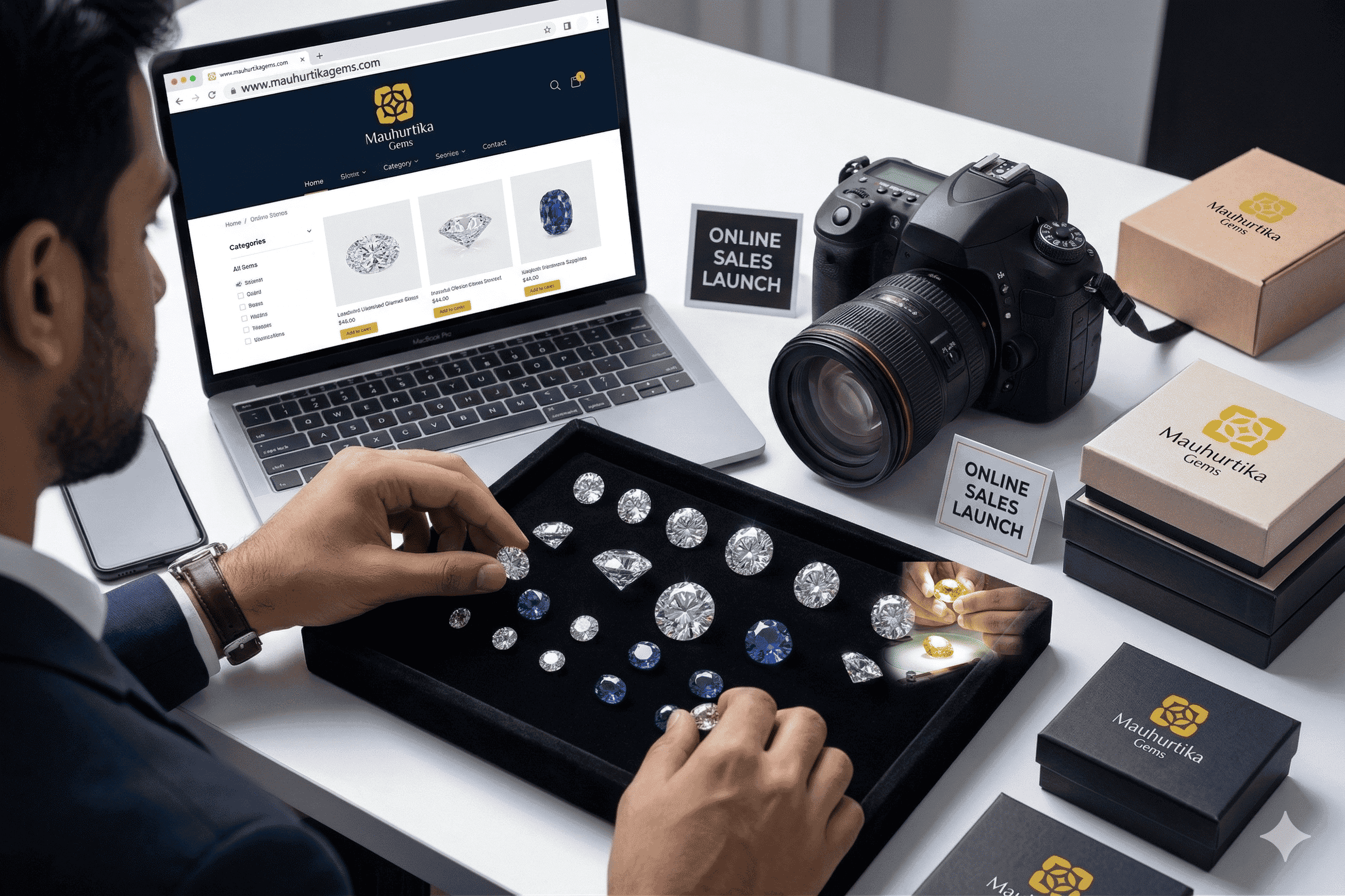
Your website is your 24/7 digital showroom. A slow, clunky site will kill buyer trust instantly. A gemstone is a high-ticket item; the user interface (UI) must reflect that luxury and security.
- Choosing the Right Tech Stack: If you want total control, custom SEO architecture, and scalability, frameworks like Laravel are exceptional for building robust platforms.
- High-Fidelity Product Pages: Buyers need to see the inclusions, the cut, and the brilliance. Use macro photography. List the Carat weight, Ratti equivalent, Dimensions, Origin, and Treatment Status explicitly.
Phase 5: Mastering SEO & Digital Marketing
This is where you separate yourself from 90% of the competition. By implementing advanced SEO strategies, you can capture high-intent buyers exactly when they have their credit cards out.
1. Content Architecture and Pillar Pages
Search engines reward topical authority. Create massive, 3000-word "Pillar Pages" on core topics and build internal links to smaller, specific articles. This internal linking structure signals to Google that you are the ultimate authority.
2. Keyword Strategy (The Skyscraper Technique)
Stop targeting impossible keywords like "buy gems." Instead, focus on long-tail, high-conversion keywords like "Buy certified unheated blue sapphire online India".
3. Technical SEO
Google ranks fast websites. Ensure your Laravel site is optimized. Compress your high-resolution gemstone images using WebP formats and ensure your mobile experience is flawless.
Phase 6: Strategic Partnerships and Customer Retention
Acquiring a new customer is expensive; retaining one is cheap. In the gemstone business, Lifetime Value (LTV) is everything.
1. The Astrologer Affiliate Network
If you are selling astrological gems, your best salespeople are astrologers. Create a B2B affiliate program. Reach out to practicing astrologers and offer them a transparent commission for every client they refer to your store. (If you are a practicing astrologer looking for a trusted supply partner, contact the team at Mauhurtika Gems today to discuss collaborations).
2. The Post-Purchase Experience
The unboxing experience matters. When a customer spends ₹50,000 on a stone, it shouldn't arrive in a cheap plastic bag. Invest in premium velvet boxes, include a physical copy of the lab certificate, and add a personalized thank-you note.
The Bottom Line
Starting a gemstone business requires deep industry knowledge, a relentless focus on authenticity, and a modern approach to digital marketing. By securing direct sourcing lines, providing unimpeachable lab certifications, owning your local market first, and executing a ruthless SEO strategy, you can build a gemstone empire that stands the test of time. Focus on the data, prioritize the customer's trust above all else, and let your digital architecture do the heavy lifting.